
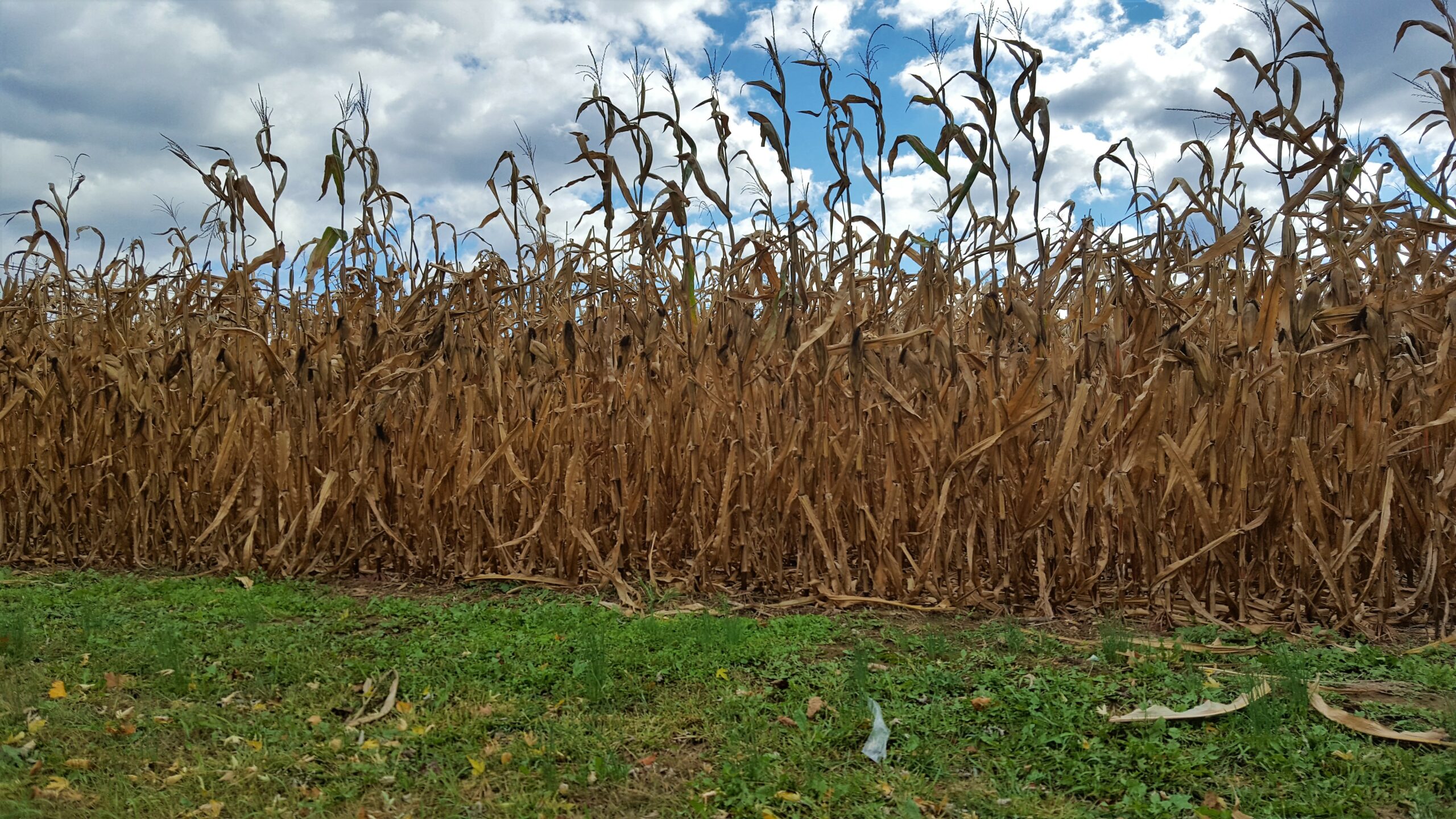
Dry wind is one of those agricultural stress factors that sneaks up quietly but can have major impacts on crop performance. High temperatures combined with low humidity accelerate evaporation, disrupt plant water balance, and can ultimately reduce yields if crops can’t replenish lost moisture quickly enough.
While weather itself can’t be controlled, growers can manage how nutrients and moisture interact with crops. Precision nitrogen placement — including the use of Y-drops, nitrogen Y-drops, and nutrient Y-drop systems — plays a growing role in helping crops stay resilient during stressful conditions.
Dry winds typically occur when high heat and low humidity combine to increase evaporation from both soil and plant surfaces. Under these conditions:
If soil moisture is already limited, the effects intensify and crops may not recover easily. Maintaining adequate hydration remains one of the most effective mitigation strategies.
That’s where nutrient timing and placement come into play.
Nitrogen efficiency depends heavily on placement. Nutrients applied too far from the root zone or exposed on the soil surface are more vulnerable to volatilization and loss — especially during hot, dry, windy weather.
Precision placement using nitrogen Y-drops helps:
By placing nutrients where moisture naturally carries them toward roots, growers can better align nutrient availability with crop needs even during stressful weather.
Water availability remains the key factor in helping plants withstand dry wind. However, nutrient management influences how effectively plants use available moisture.
Balanced fertility supports:
Precision delivery systems like nutrient Y-drops complement moisture management by keeping fertilizer concentrated where plants can access it efficiently.
Application timing can significantly affect crop resilience during dry wind events.
Considerations include:
In-season nitrogen application using Y-drop fertilizer placement systems allows growers to adjust timing based on crop conditions rather than fixed calendar schedules.
Managing dry wind risk usually requires combining several approaches:
These steps don’t eliminate weather risk, but they help crops respond more effectively when stress occurs.
Dry wind conditions are part of modern farming reality, especially in hotter growing seasons. While weather can’t be controlled, nutrient placement, timing, and moisture management can significantly influence crop resilience.
Precision tools such as nitrogen Y-drops and nutrient Y-drop application systems support more efficient fertilizer use, better root-zone delivery, and stronger crop performance under challenging conditions.
That combination of agronomy and equipment strategy is increasingly important as growers balance productivity, efficiency, and environmental stewardship.