
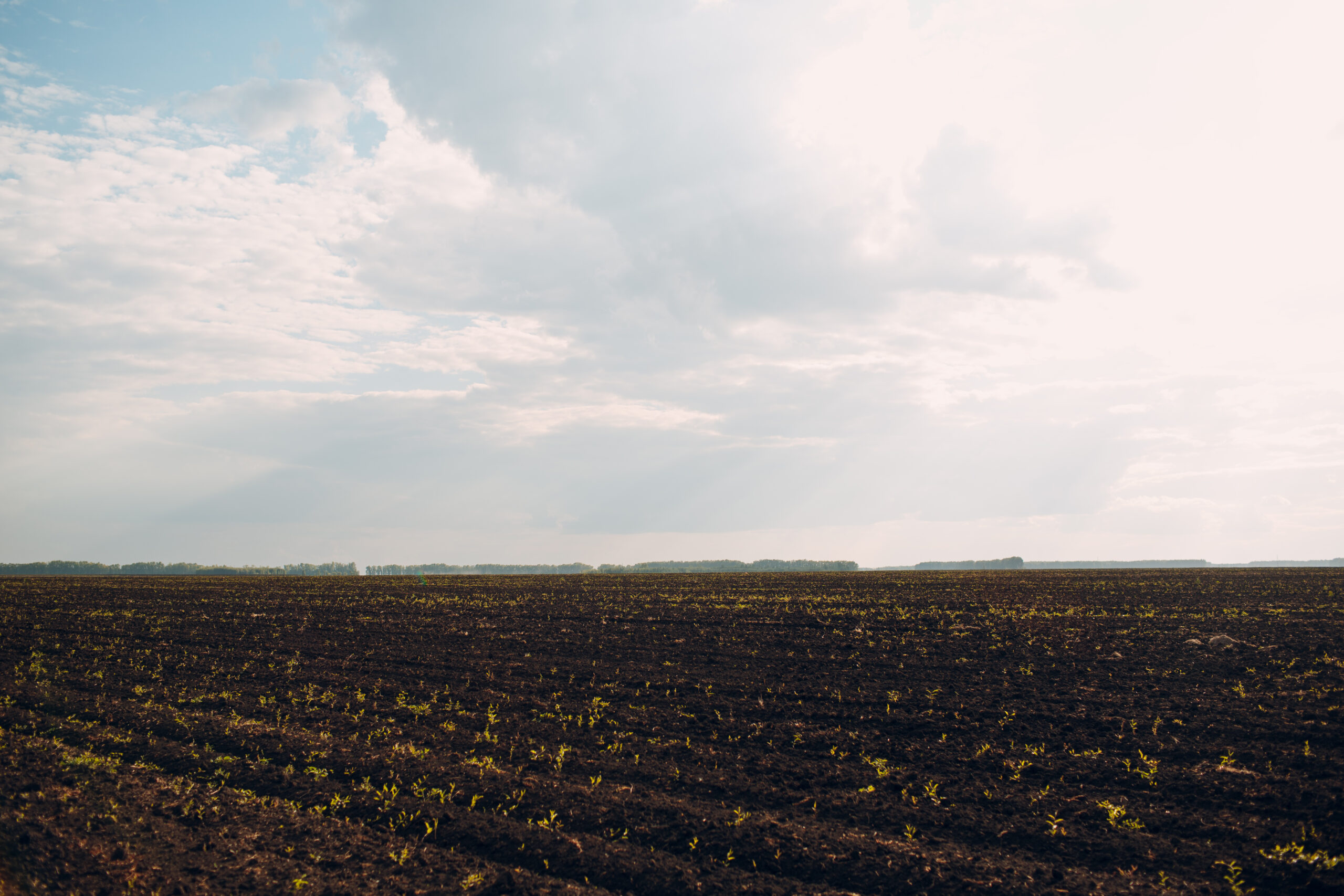
Spring planting is one of the most anticipated times of the agricultural year. Warmer temperatures, longer daylight, and improving soil conditions signal the start of a new growing season. However, planting too early — before frost risk has passed — can expose crops to unnecessary stress and compromise early development. Proper timing, soil preparation, and nutrient placement all play important roles in setting crops up for success.
Modern fertility strategies, including nitrogen Y-drops and precision nutrient placement systems, help growers adapt to variable spring conditions while supporting healthy early crop growth.
Even when daytime temperatures rise, late-season frost events can still occur. Planting too early can result in:
Waiting until frost risk has passed reduces these risks significantly. Growers often rely on local frost-date data, soil temperature readings, and weather forecasts to guide planting decisions.
Some producers start seedlings indoors or in controlled environments to get an early start while avoiding outdoor frost exposure.
Soil temperature, moisture levels, and structure influence how well seeds germinate and establish roots. Cold or overly wet soil can slow emergence and limit nutrient uptake.
Healthy soil conditions help ensure:
Precision fertility approaches — including nutrient Y-drops for in-season nitrogen application — allow growers to adjust nutrient timing after planting when conditions stabilize.
Applying fertilizer too early in spring can expose nutrients to loss through runoff, volatilization, or delayed uptake if roots are not yet active. Split applications or in-season placement strategies often improve efficiency.
Using nitrogen Y-drops for later nitrogen application helps:
This approach complements careful planting timing by ensuring nutrients are available when crops are actively growing.
To maximize early-season success, growers often combine several approaches:
These steps help reduce risk while supporting strong early crop performance.
Successful spring planting isn’t just about getting seed in the ground — it’s about timing, soil health, and nutrient management working together. Waiting until frost risk subsides while planning fertilizer placement carefully can make a significant difference in crop establishment and overall yield potential.
Precision nutrient placement tools, including nitrogen Y-drops and nutrient Y-drop systems, help growers adapt to changing spring conditions and maintain fertilizer efficiency throughout the season.
Good timing, healthy soil, and thoughtful nutrient management form the foundation of a successful crop year.