
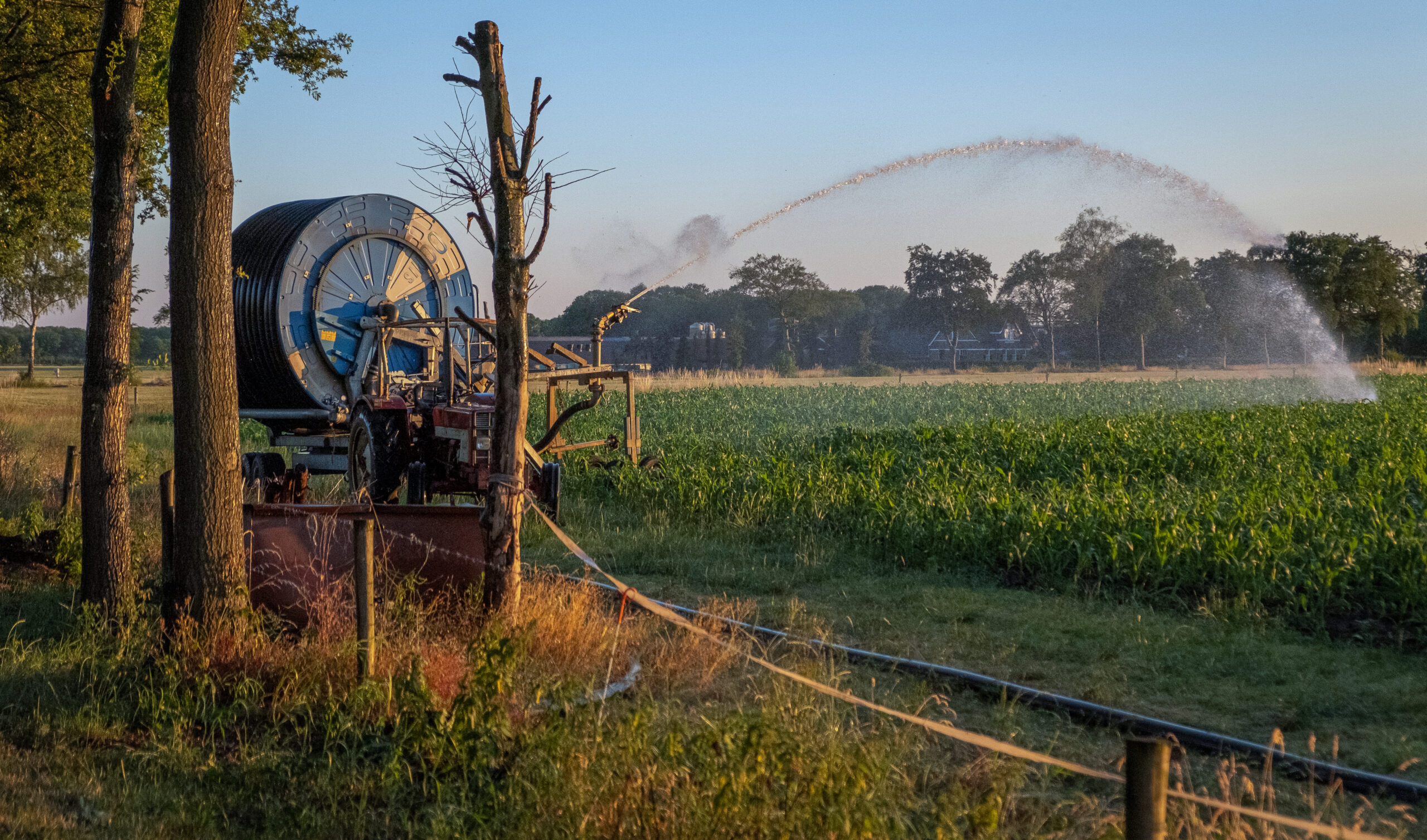
Water restrictions — whether due to drought, heat stress, or irrigation limits — can have a major impact on crop development and yield potential. Under limited moisture conditions, plants must balance water loss with nutrient uptake, and poorly timed or poorly placed fertilizer can do more harm than good.
While growers can’t control the weather, they can manage nutrient timing and placement to help crops make the most of available moisture. Precision application systems such as nitrogen Y-drops and nutrient Y-drop configurations are powerful tools for aligning fertility with plant needs even under water stress.
When water availability is limited, several physiological responses occur in plants:
These responses help plants survive short-term stress, but extended water restrictions can quickly reduce growth and yield.
The key for growers is supporting plants in a way that maximizes efficiency — not just of water, but of nutrients and overall metabolic function.
Water is essential for dissolving and moving nutrients in the soil. Without adequate moisture, even properly applied fertilizer can sit inaccessible to roots, leading to inefficiencies and potential loss.
Fertilizer applied too far from the root zone or too early in dry conditions may never reach the plant. Likewise, nitrogen that is left near the soil surface is vulnerable to volatilization and loss when soil moisture is low and temperatures are high.
This is where precision nutrient placement tools — especially nitrogen Y-drops — make a real difference.
Precision nutrient placement systems, including nutrient Y-drops, deliver fertilizer directly into the root zone where active uptake occurs. By placing nutrients closer to where roots can access them, growers improve efficiency and reduce dependence on surface soil moisture.
Benefits of precision placement on water-restricted crops include:
When moisture is in short supply, every bit of nutrient efficiency matters — and precision nitrogen placement helps align fertilizer with that reality.
While fertilizer doesn’t prevent disease directly, nutrient efficiency plays a significant role in plant rEven the best fertilizer placement can fall short if timing is off.
Under water restrictions, consider:
Tools like nitrogen Y-drops allow for split applications later in the season, often closer to when the crop actually needs the nutrients. This can be particularly valuable when water limits reduce early season nutrient movement.
Root systems are the plant’s lifeline — especially during dry periods. A well-developed root system not only explores more soil volume for water but also accesses nutrients more efficiently. Balanced fertility supports robust root growth, and precision placement helps ensure that nutrients are placed where they can do the most good.
Pairing precision nutrient placement with moisture-conserving practices (like cover crops or conservation tillage) can further enhance water-limited crop performance.
When managing crops on a water restriction, consider these strategies:
No single tactic solves water stress, but integrating multiple strategies improves resilience and yield potential.
Water restrictions are a reality in many growing regions, and their impact is often felt most where nutrient and moisture management intersect. By thinking strategically about nutrient placement — particularly with tools like nitrogen Y-drops and nutrient Y-drop systems — growers can help crops use both water and fertilizer more efficiently.
Effective timing, placement, and crop monitoring work together to support plant health and productivity under stress — and that’s good agronomy and good business.