Fertilizer application methods have evolved significantly over the years. Traditional approaches such as broadcast spreading, coulter injection, or drag hose application have long been standard practices. While effective in many situations, these methods can sometimes lead to uneven nutrient placement, fertilizer loss, or reduced efficiency under certain field conditions.
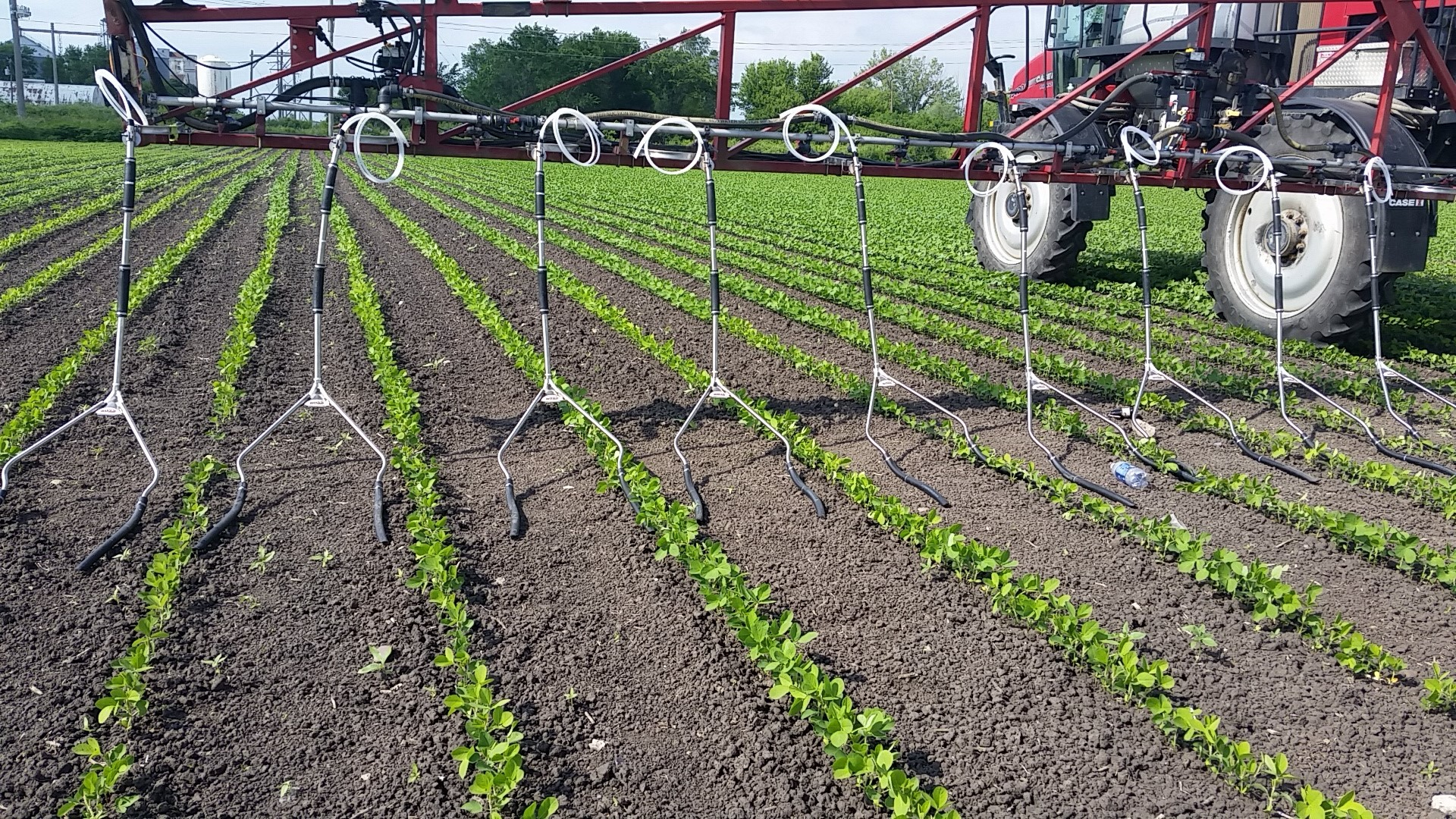
More recently, precision placement tools like nitrogen Y-drops and nutrient Y-drop systems have emerged as an alternative approach. These systems focus on placing fertilizer closer to the crop root zone, improving uptake potential and reducing wasted inputs.
Understanding how traditional fertilizing compares with precision placement methods helps growers choose the best strategy for their operation.
Traditional nitrogen application methods typically include broadcast spreading, coulter injection, or surface dribble systems. These approaches are widely used because they are familiar, scalable, and compatible with existing equipment.
However, they can present some challenges:
These factors can affect fertilizer efficiency, especially during variable weather conditions.eedlings indoors or in controlled environments to get an early start while avoiding outdoor frost exposure.
Y-drops are designed to place liquid fertilizer at the base of growing crops, typically during in-season application windows. Rather than spreading nutrients broadly, the system concentrates fertilizer closer to where plants can absorb it most effectively.
Precision placement using nitrogen Y-drops helps:
This targeted approach aligns closely with modern nutrient stewardship principles.
One key difference between traditional fertilizing and precision placement is timing flexibility. Traditional pre-plant applications can leave nutrients exposed to weather events before crops are actively using them.
In-season applications using nutrient Y-drops allow growers to:
This flexibility can be especially valuable during unpredictable growing seasons.
Traditional coulter systems and ground-engaging equipment can experience increased wear in rough or wet field conditions. Mud, residue, and soil variability sometimes complicate consistent application.
Precision placement systems that avoid heavy soil contact can reduce:
This contributes to both operational efficiency and consistent nutrient delivery.
The broader goal of modern nutrient management is efficiency — applying fertilizer where, when, and how crops can use it best. Precision placement methods like Y-drops for nitrogen application support this goal by aligning application with plant growth stages and root-zone availability.
Combining thoughtful timing, accurate placement, and soil health practices helps maximize fertilizer investment while supporting sustainable crop production.
There’s no single fertilizing method that fits every operation. Soil conditions, equipment availability, crop type, and weather patterns all influence the best approach. Many growers today combine traditional methods with precision placement strategies to balance efficiency, practicality, and cost.
As fertilizer prices, environmental considerations, and yield expectations continue to evolve, precision nutrient placement — including nitrogen Y-drops and nutrient Y-drop systems — is becoming an increasingly common part of modern crop fertility programs.